
Cargo bikes are increasingly becoming a popular choice for families and businesses looking for an environmentally friendly and practical transportation option. Whether you’re new to the world of cargo bikes or considering a purchase, this guide will explore the basics, types, and options available, helping you make an informed decision.
What is a Cargo Bike?
A cargo bike is a bicycle specifically designed to carry heavy loads, which can include everything from groceries to children. These bikes are built with robust frames, strong wheels, and often have large cargo compartments or flat platforms. They offer a healthy alternative to motor vehicles, providing both physical exercise and a reduction in carbon footprint.

Types of Cargo Bikes
Cargo bikes come in various designs, each suited to different needs and preferences:
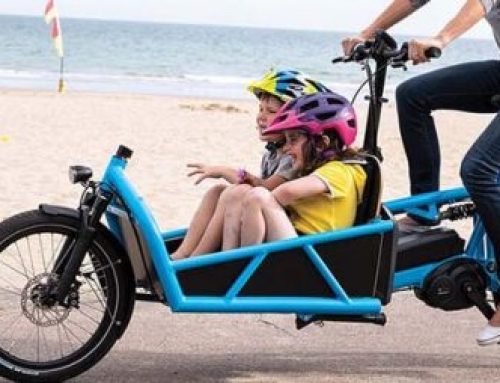
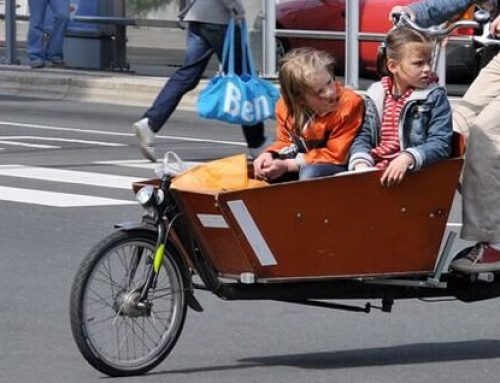
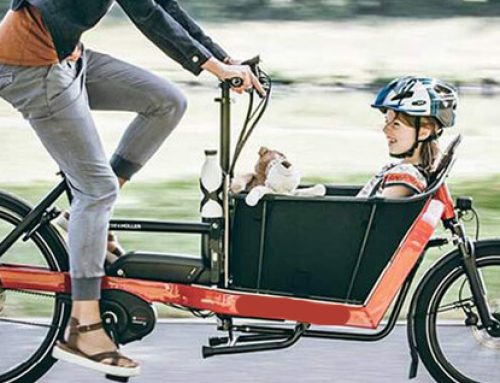
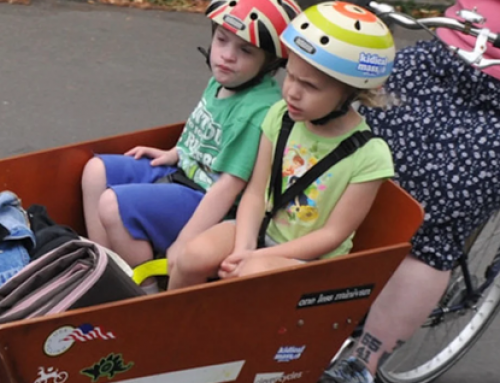
- Box Bikes (Bakfiets): These bikes have a large box situated between the handlebar and the front wheel. Ideal for carrying children, pets, or heavy items, they often come with seats and harnesses to secure little passengers.
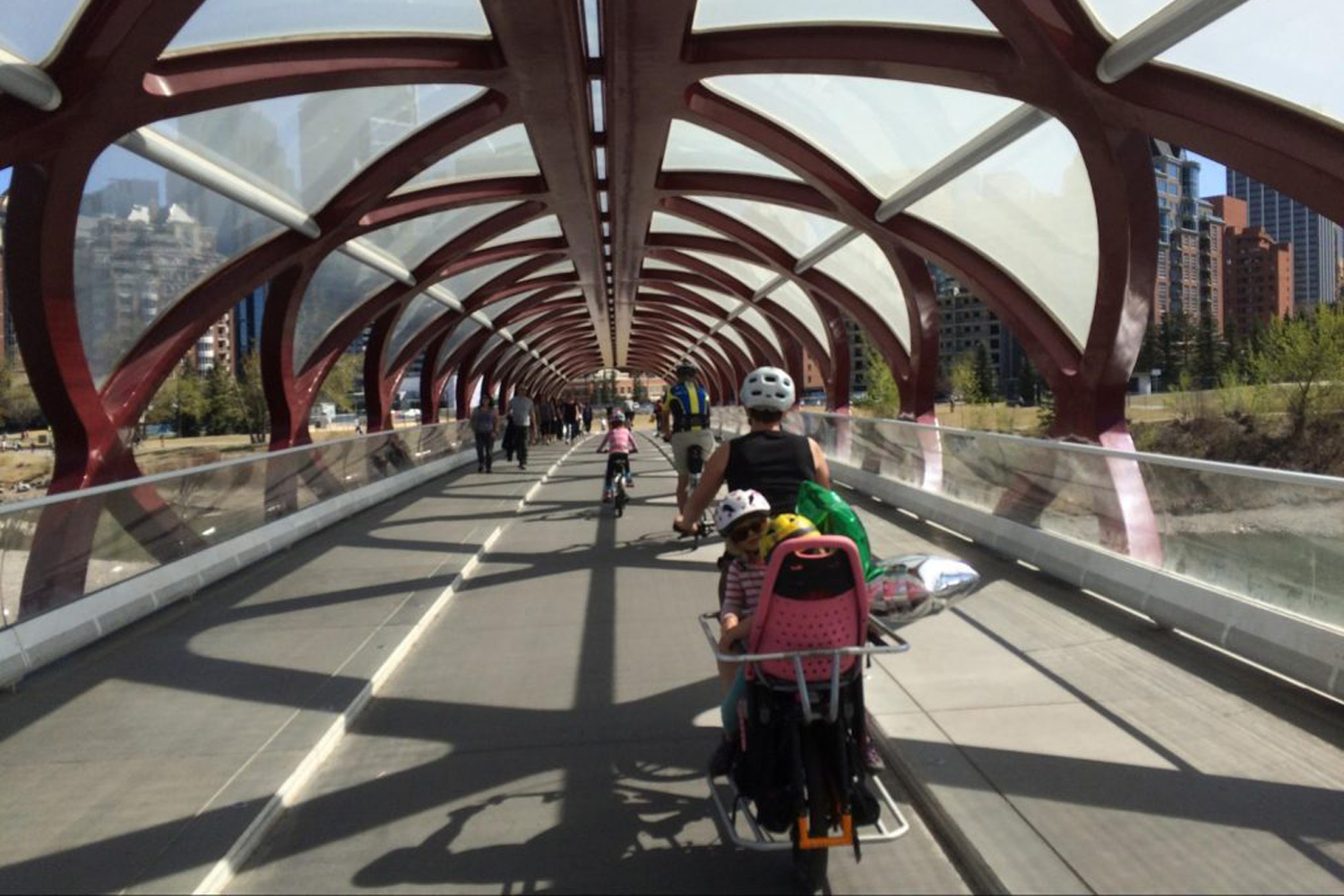
- Longtail Bikes: Featuring an extended rear over the back wheel, longtail bikes are great for piling on loads and can be equipped with various accessories like seats for children and storage boxes.
- Flatbed Bikes: As the name suggests, these bikes are equipped with a flat platform or bed, making them versatile for transporting anything that fits on the platform.
- Recumbent Cargo Bikes: Offering a lower center of gravity and a reclined riding position, recumbent cargo bikes are comfortable over long distances and can carry loads on the front or back.
Two or Three Wheels?
Choosing between two or three wheels is primarily about stability and maneuverability:
Two-Wheeled Cargo Bikes: These bikes are more agile and faster, suitable for longer distances and regular roads. They require a bit of balance, especially when loaded.
Three-Wheeled Cargo Bikes (Trikes): Offering more stability, especially when stationary, trikes are excellent for heavier loads and can stand on their own without tipping. They are ideal for riders who prefer not to balance or for carrying multiple children.
Electric Assist or Not?
Deciding whether to get an electric assist cargo bike depends on several factors:
- Terrain and Distance: If your commute involves hills or long distances, an electric assist can help ease the effort required to pedal heavy loads.
- Load: Regularly carrying heavy loads or multiple children might also justify the need for electric assistance, making trips easier and less tiring.
- Budget: Electric assist bikes are generally more expensive, both upfront and in maintenance (due to the battery and motor). Consider your budget and whether the benefits outweigh the costs.
- Electric systems can be a factory-installed feature or a retrofit kit. While factory systems are seamlessly integrated and designed for the bike, retrofit kits can be a cost-effective alternative if you’re upgrading a non-electric bike.
Cargo bikes are a fantastic way to incorporate exercise into your routine, reduce environmental impact, and enjoy the versatility of transporting various loads efficiently. Whether you opt for a two-wheeled speedier model or a stable three-wheeled version, and whether you choose a manual or electric assist, cargo bikes offer a reliable alternative to motor vehicles for urban transport and beyond. Before making a purchase, consider trying different models to find the one that best suits your lifestyle and needs.
 Exploring Cargo Bikes: Types, Wheels, Question of Electric Assist