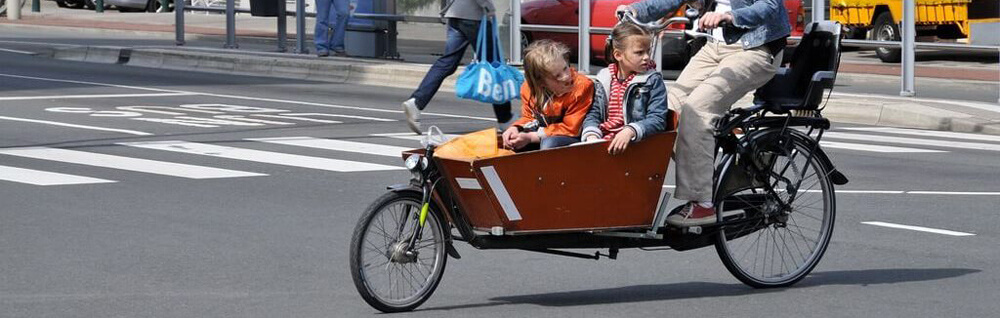
Cargo bikes are an increasingly popular mode of transportation, offering a sustainable, practical, and fun way to carry heavy loads, kids, or even pets. They come in various designs to suit different needs, from family trips to city deliveries. While two-wheeled cargo bikes are common, three-wheeled versions—also known as trikes—offer unique benefits, especially for adults. In this article, we’ll explore the various types of cargo bikes and help you understand why a three-wheel cargo bike might be the best option for you.
Different Types of Cargo Bikes
Cargo bikes can be classified into several types based on their design, functionality, and intended use. Understanding the differences between these types can help you choose the one that suits your needs best.
1. Long-Tail Cargo Bikes
Long-tail cargo bikes are essentially extended versions of traditional bicycles. The rear wheel is elongated to provide extra space for carrying goods or children. These bikes typically allow for one or two children to sit behind the rider, or you can use the back rack to attach baskets, bags, or other cargo.
Pros:
More agile than three-wheeled options.
Can carry a reasonable amount of cargo (up to three children or several bags).
Often lighter than three-wheeled designs.
Cons:
Not as stable, especially when fully loaded.
Harder to manage when riding with children because the rider can’t see the back.
2. Front-Load Cargo Bikes (Bakfiets)
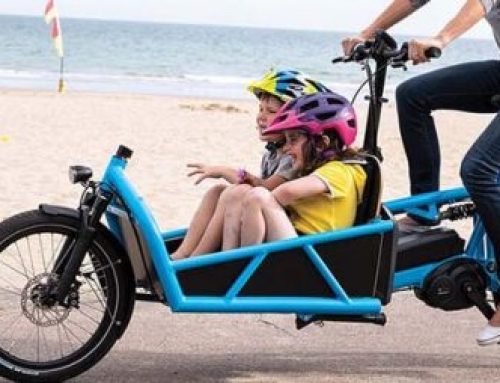
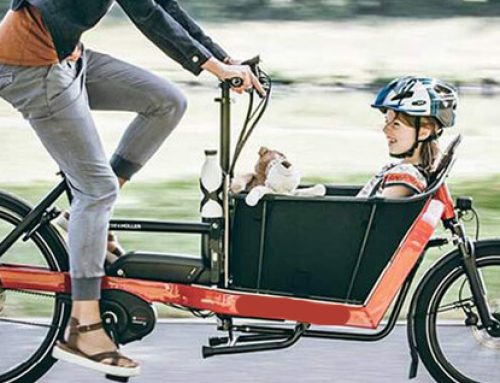
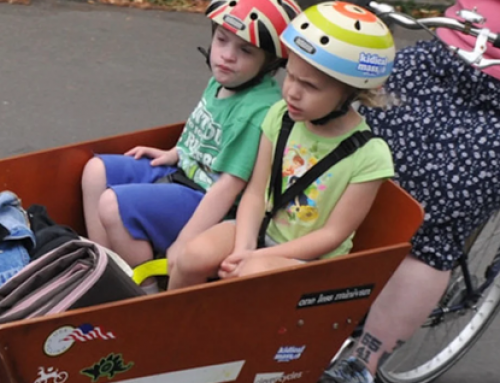
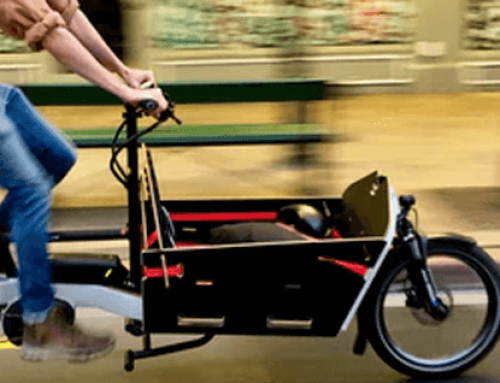
Front-load cargo bikes, often called “bakfiets” (a Dutch term), have a large cargo box at the front of the bike. These bikes come with either two or three wheels, with the box offering ample space for carrying children, groceries, or other heavy items. The box is typically made of wood or sturdy plastic.
Pros:
More stable, especially in city traffic.
Easy access to cargo (children or groceries) right in front of the rider.
Better visibility for parents carrying children.
Cons:

Generally bulkier and harder to maneuver in tight spaces.
The front load can impact handling, especially at higher speeds.
3. Three-Wheeled Cargo Bikes (Trikes)
Three-wheeled cargo bikes, or trikes, come in two main designs: front-loading and rear-loading. The most popular version for adults is the front-loading trike, where the cargo is carried in a large compartment at the front, much like the bakfiets. The trike design offers exceptional stability, making it an excellent option for those who may not feel comfortable with the balance required on two wheels.
Pros:
Offers exceptional stability, making them ideal for carrying heavy or bulky loads.
Easier to load and unload compared to two-wheeled bikes.
Great for those who may not have the best balance or prefer a more stable ride.
Cons:
Larger and heavier than two-wheeled bikes.
Can be harder to maneuver in tight urban spaces.
4. Electric Cargo Bikes
Electric cargo bikes are essentially any of the above designs but with the addition of an electric motor to assist with pedaling. These bikes make carrying heavy loads or children easier, especially on hilly terrain. They are available in both two-wheel and three-wheel configurations.
Pros:
Provides motor assistance, making it easier to ride with heavy cargo.
Ideal for long distances or hilly areas.
Available in both long-tail and front-loader designs.
Cons:
Generally more expensive than non-electric versions.
Requires charging and maintenance of the motor and battery.
Why Choose a Three-Wheel Cargo Bike for Adults?
Three-wheeled cargo bikes have distinct advantages, especially for adults looking for a stable and reliable bike to carry cargo, children, or other items. Here are some key reasons to choose a three-wheel cargo bike:
1. Stability and Balance
One of the most significant benefits of three-wheeled cargo bikes is their stability. Unlike two-wheeled bikes, which can be difficult to balance when loaded or when riding with children, trikes are much easier to handle. The three-wheel design ensures that the bike remains upright even when you stop or when it’s carrying a heavy load. This added stability is particularly useful in urban environments where traffic and stop-and-go riding are common.
2. Safety for Children
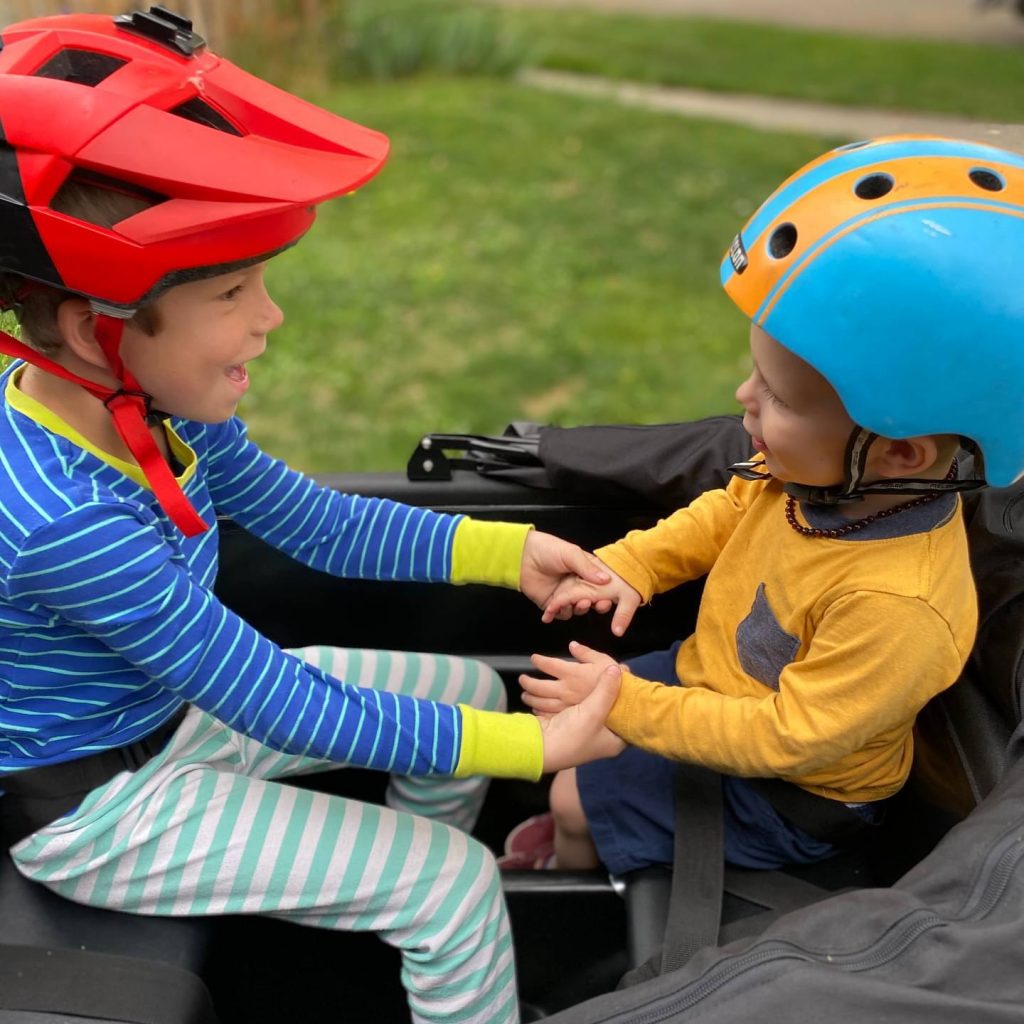
If you plan to carry children on your cargo bike, a three-wheeled model is a great option. The stability of the trike makes it safer for little ones, as the bike is less likely to tip over. In addition, many three-wheel cargo bikes feature a front compartment where children can sit, allowing them to stay close and within the rider’s view. This setup is ideal for families who want a secure and comfortable way to transport kids around town.
3. Comfortable and Easy to Ride
Three-wheeled cargo bikes tend to be easier to ride, especially for adults who may not be as experienced or confident on a traditional two-wheeled bike. The wide base of the trike provides extra balance and support, making it more comfortable for riders to manage, even when carrying heavy loads or riding with passengers. Furthermore, some models come with electric assistance, making it easier to tackle hilly terrain without breaking a sweat.
4. Increased Cargo Space
Three-wheel cargo bikes generally offer more space than their two-wheeled counterparts. The large cargo compartment at the front allows you to carry more items, whether it’s groceries, work equipment, or even pets. Some models are designed to carry up to four children at once, which can be a great solution for larger families.
5. Reduced Stress and Fatigue
If you plan to use your cargo bike for commuting or running errands, the stability and ease of handling of a three-wheeled bike can reduce stress and fatigue. Unlike two-wheeled bikes, which require constant balancing and steering adjustments, trikes allow you to focus more on pedaling, and the bike will handle the rest. This makes them particularly appealing for those who want to ride comfortably over long distances or through congested areas.
FAQ: To Help You See the Three-Wheel Cargo Bike for Adults More Clearly
1. Are three-wheel cargo bikes more expensive than two-wheel cargo bikes?
Yes, generally, three-wheel cargo bikes tend to be more expensive due to their added stability and complexity. However, they offer superior comfort and safety, which can justify the higher price.
2. Can three-wheel cargo bikes replace a car?
For many families, three-wheel cargo bikes can serve as an alternative to a car, especially for short commutes or trips to the store. They are also an eco-friendly option that reduces your carbon footprint.
3. Are electric three-wheel cargo bikes available?
Yes, electric versions of three-wheel cargo bikes are widely available. These bikes include a motor that helps with pedaling, making it easier to carry heavy loads or ride on hilly terrain.
4. Can three-wheel cargo bikes handle heavy cargo?
Absolutely. Many three-wheel cargo bikes are designed to carry substantial loads, whether it’s groceries, furniture, or other large items. They typically offer higher weight capacities than two-wheeled bikes.
5. Are three-wheel cargo bikes safe for kids?
Yes, three-wheel cargo bikes are often safer for carrying children because of their increased stability. Many models have enclosed or cushioned compartments, ensuring a secure and comfortable ride for young passengers.
Choosing the right cargo bike depends on your specific needs, whether it’s transporting children, carrying groceries, or using it as an eco-friendly commuting option. Three-wheel cargo bikes offer unparalleled stability, safety, and comfort, making them an excellent choice for adults who want a reliable and enjoyable way to transport heavy loads or family members. Whether you’re commuting in the city or exploring new places, a three-wheeled cargo bike can make your cycling experience more practical, enjoyable, and sustainable.
 Understanding the Different Types of Cargo Bikes and Why Choose