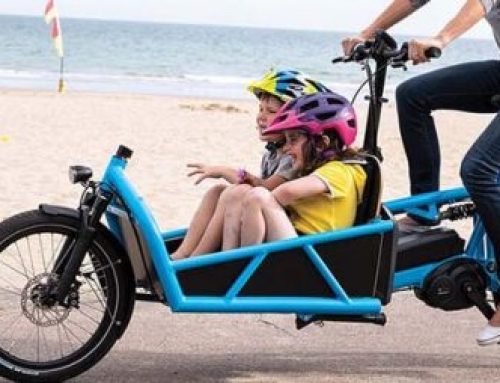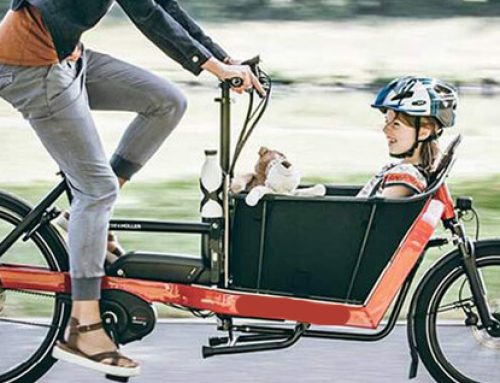

In the fast-paced world of e-commerce and urban deliveries, cargo bike logistics are emerging as a sustainable and cost-effective solution. This article delves into the various business models that companies can adopt to realize cost savings through cargo bike logistics.
1. Dedicated Cargo Bike Services:
Companies can opt for a dedicated cargo bike service, where a fleet of bikes is managed by a third-party logistics provider. This model allows businesses to offload the responsibility of managing their delivery operations, realizing cost savings through outsourcing. The logistics provider manages the entire cycle, from loading to delivery, ensuring timely and efficient deliveries.
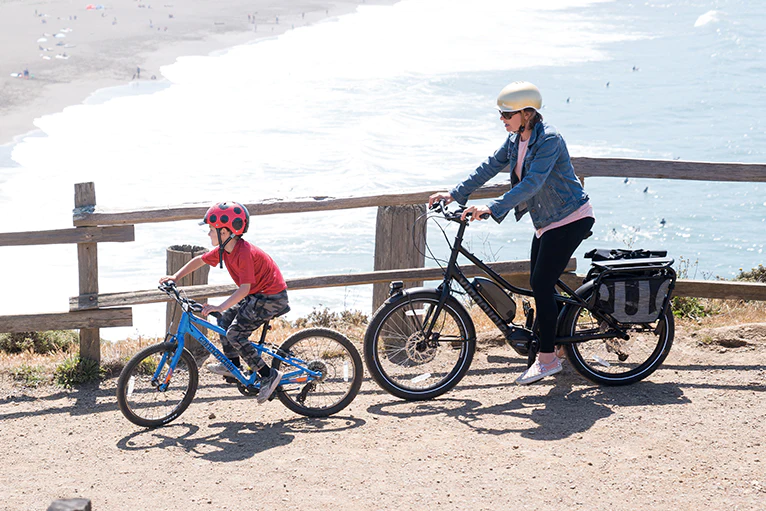
2. Shared Cargo Bike Platforms:
Shared cargo bike platforms enable multiple businesses to utilize a single fleet of bikes for their deliveries. This model offers cost-effectiveness as businesses can share the operational costs of managing the bikes. Additionally, shared platforms provide access to a larger pool of bikes, enabling faster and more flexible deliveries.
3. Subscription-Based Services:
Subscription-based services offer companies the option to rent or lease cargo bikes on a fixed monthly basis. This model provides businesses with the flexibility to scale up or down their operations without incurring significant capital expenses. By paying a monthly fee, companies can access a ready-to-use fleet of bikes, reducing upfront costs and enabling quick adoption.
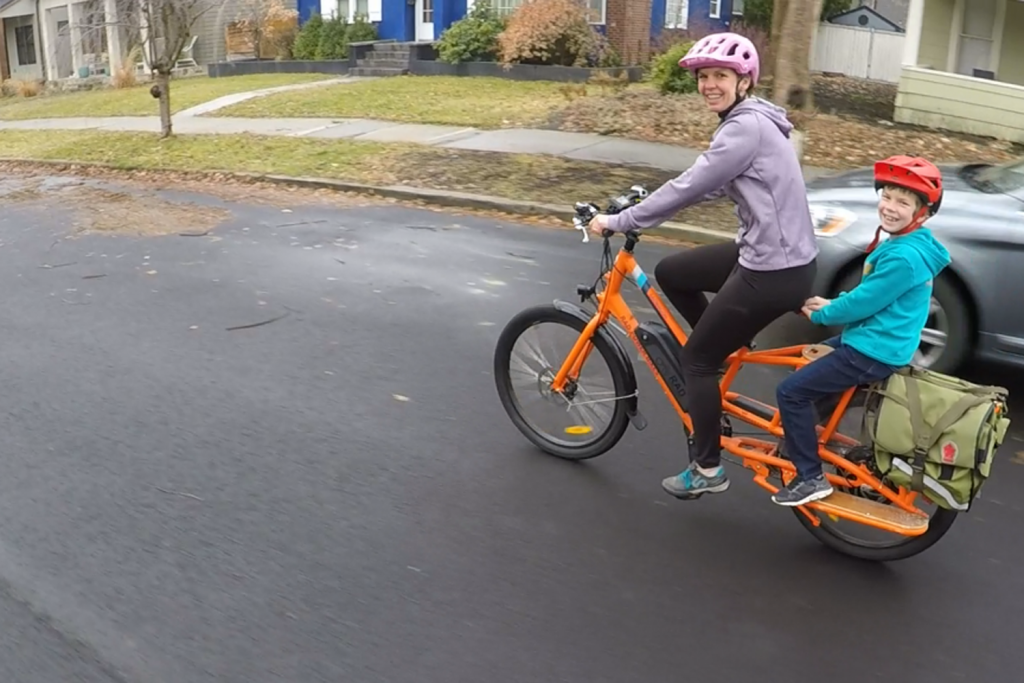
Cost Savings:
Adopting cargo bike logistics can offer significant cost savings for companies in multiple ways:
- Reduced Fuel Costs: Cargo bikes use significantly less fuel than traditional combustion-engine vehicles, leading to lower fuel expenses.
- Minimal Maintenance Costs: Cargo bikes have fewer moving parts, reducing the need for regular maintenance checks and costly repairs.
- Efficient Use of Infrastructure: Cargo bikes can navigate through narrow city streets and park in designated bike lanes or on-street parking spaces, reducing the need for expensive loading docks or parking spaces.
- Lower Insurance Costs: Cargo bikes are generally considered to have a lower risk profile, leading to lower insurance premiums compared to larger vehicles.
Reduced Employee Costs: Cargo bikes can be operated by a single person, reducing the need for additional staff and cutting labor costs. - Environmental Benefits: Investing in cargo bike logistics aligns with the growing focus on sustainability and can provide tax incentives or other forms of government support for environmentally friendly operations.

In conclusion, companies adopting cargo bike logistics can achieve significant cost savings through various business models. Whether opting for a dedicated service, shared platform, or subscription-based model, cargo bikes offer a sustainable and cost-effective solution for urban deliveries. By reducing fuel costs, maintenance expenses, infrastructure needs, insurance premiums, and labor costs, companies can optimize their operations while contributing to a more sustainable urban environment.
More: