
Cargo bikes offer an eco-friendly and efficient alternative to traditional cars, providing a practical solution for transporting goods and children. However, as with any investment, proper storage and parking are essential for ensuring the longevity and performance of your cargo bike. While indoor storage is ideal, many riders may need to park their cargo bikes outdoors due to space constraints. This article will guide you on how to store and park your cargo bike outdoors while keeping it safe from the elements and theft.
1. Choose the Right Outdoor Parking Spot
When parking your cargo bike outdoors, location matters. Look for a sheltered area that offers protection from the harsh elements, such as rain, snow, and direct sunlight. Here are some options:
Under a Roof or Awning: The best option is to park your cargo bike under a roof or awning, whether it’s in a carport, garage, or covered patio. This will shield the bike from rain, wind, and UV rays that can damage the frame and other components over time.
Near a Wall or Fence: Parking near a solid wall or fence can offer additional shelter from the wind and rain, especially if the wall is placed in such a way that it blocks direct sunlight or heavy rain. You could even use this wall to help secure your bike with a lock.

Use a Bike Shelter or Outdoor Bike Shed: If you don’t have a covered area, consider investing in a bike shelter or outdoor bike shed. These are designed to protect your bike from the elements while also providing security. They come in various sizes and materials, so choose one that fits your cargo bike.
2. Invest in a High-Quality Bike Cover
If your parking situation doesn’t provide complete shelter, investing in a weather-resistant bike cover is essential. A good cover will protect your cargo bike from rain, dust, UV damage, and even bird droppings. When choosing a cover, make sure it is the correct size for your bike model, whether it’s a long-tail or front-loading cargo bike.
3. Secure Your Cargo Bike with a Strong Lock
Cargo bikes are valuable investments, and leaving them unsecured can invite theft. Even when parked outdoors, always lock your bike to a sturdy, immovable object, such as a bike rack, a solid fence, or a heavy pole. Use high-quality locks like U-locks, chain locks, or cable locks, and consider using multiple locks to secure both the frame and wheels. Thieves are less likely to target bikes that are well-secured, so always take the extra time to ensure your bike is properly locked.
4. Consider Outdoor Parking for Front-Loading Cargo Bikes
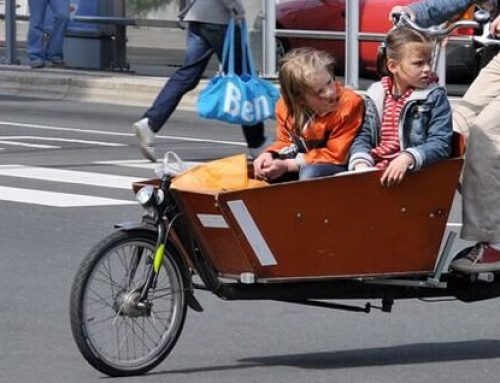
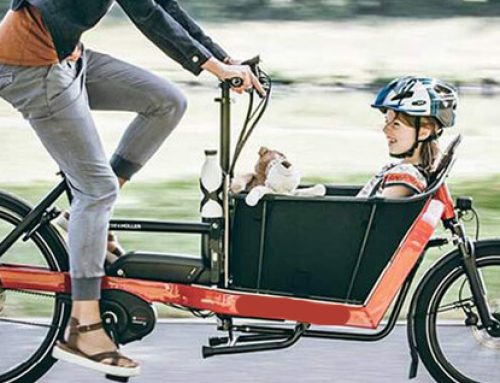
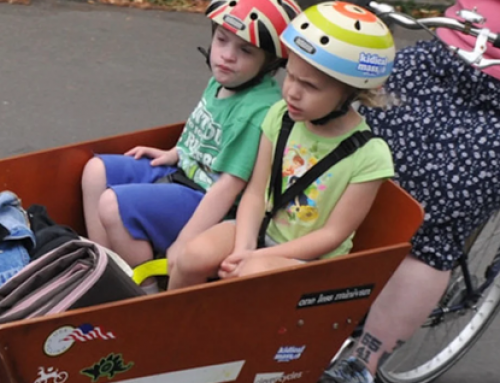
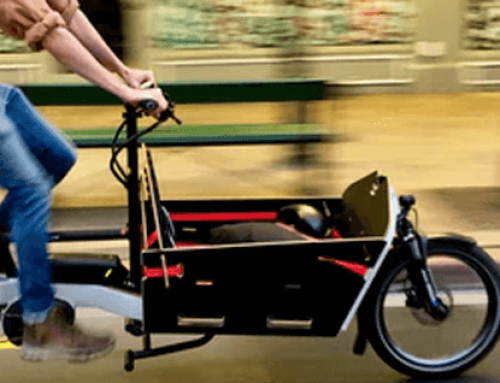
Front-loading cargo bikes, known for their large cargo boxes, can be more difficult to store outdoors because of their size. If you need to park a front-loading cargo bike outside, try the following strategies:
Use a Large Bike Cover: Invest in a heavy-duty cover that fits the bike’s dimensions. A cover will protect the frame and cargo box from the elements, keeping moisture, dirt, and UV rays at bay.
Park in a Covered Area: Try to park your front-loading bike under an awning or a roof. A covered area will minimize exposure to the elements and extend the lifespan of your bike’s components.
Lift Off the Ground: If possible, use bike hooks or a wall mount to raise your bike off the ground, especially if you’re storing it near dirt or mud. This will help prevent rust from forming on the metal components and keep your bike cleaner.
5. Consider Vertical Storage for Long-Tail Cargo Bikes
Long-tail cargo bikes, which feature an extended rear frame, require a different approach for outdoor parking. Here’s how you can efficiently park your long-tail cargo bike outdoors:
Vertical Storage Racks: If you have limited space, consider using vertical storage racks. These racks allow you to store the bike upright, saving space while protecting the bike from moisture and dirt on the ground. Just make sure the rack is sturdy enough to support the bike’s weight.
Horizontal Wall Racks: If vertical storage isn’t an option, use horizontal wall racks to park your long-tail cargo bike parallel to the ground. Ensure that the rack is sturdy and can support the bike’s weight to avoid accidents or damage.
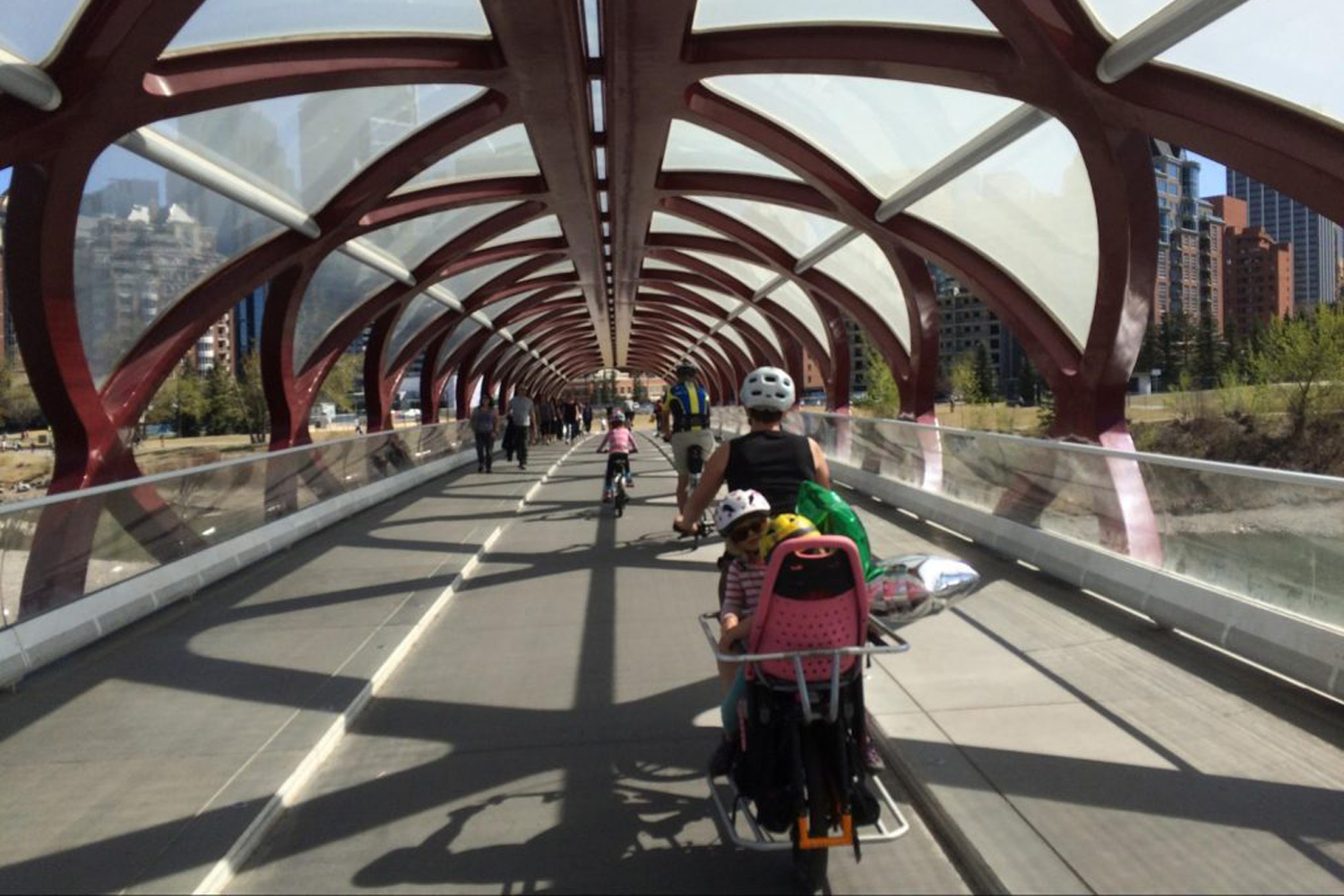
Custom Storage Solutions: Depending on your available space, you could consider building or purchasing a custom storage solution for your long-tail cargo bike. A dedicated space or rack designed to accommodate its unique shape can make outdoor storage much easier.
6. Keep Tires and Moving Parts Dry
Moisture is one of the biggest threats to outdoor bike storage. When left outside, metal components like the frame, chain, and wheels are exposed to rain and humidity, which can lead to rust. To keep your cargo bike in good condition:
Moisture Absorbers: Place moisture-absorbing agents like silica gel packets or dehumidifiers around the bike’s storage area, especially inside the cargo box or near the bike’s frame. This helps to reduce the amount of moisture that accumulates and speeds up rust formation.
Regularly Lubricate Moving Parts: Keep the chain, gears, and other moving parts well-lubricated to protect them from the elements. Regular lubrication will help prevent corrosion and ensure that your bike operates smoothly when you’re ready to use it.
7. Regular Maintenance and Inspection
No matter where you store your cargo bike, regular maintenance is essential. Here are some maintenance tips to ensure your bike stays in top shape:
Inflate Tires: Check the tire pressure regularly and ensure that the tires are properly inflated. Low tire pressure can lead to poor performance and even damage the tires.
Lubricate the Chain: The chain is a vital part of the bike’s function, and it’s essential to keep it lubricated. Apply bike-specific lubricant to the chain every few weeks, especially if your bike has been exposed to rain or moisture.
Inspect the Brakes: Check the brake pads for wear and tear and make sure the brakes are functioning properly. Brakes that are too worn can cause safety issues.
8. Cover and Protect Accessories
If your cargo bike has removable accessories like baskets, seats, or child carriers, make sure to protect them from the elements as well. Either remove them when not in use or invest in covers that protect them from rain, dust, and UV rays. This will prevent unnecessary wear and tear and extend the life of these accessories.
Storing and parking your cargo bike outdoors doesn’t have to be a challenge. By following these tips, you can protect your bike from the elements, prevent theft, and ensure that it stays in good working condition for many years. Whether you own a front-loading cargo bike or a long-tail model, proper storage solutions like weather-resistant covers, secure locking, and regular maintenance will help you get the most out of your cargo bike. Protect your investment and keep your bike ready for your next adventure!
 How to Store and Park Your Cargo Bike Outdoors: Essential Tips for Protection